What is an SSL Certificate?
SSL (Secure Sockets Layer) certificate is a digital security certificate that encrypts data communication between the web server and the browser. Nowadays, technically the latest version of the TLS (Transport Layer Security) protocol is used, but the term "SSL" is still widely used in the industry.
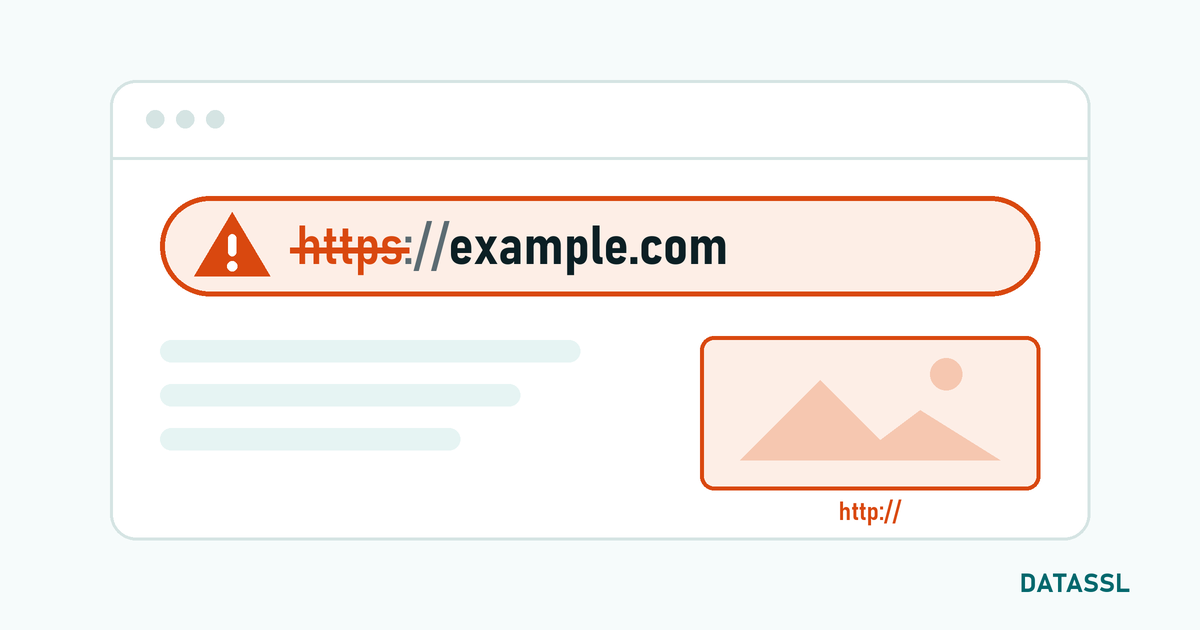
When you visit a website with an SSL certificate installed, you will see the 🔒 lock symbol and https:// protocol in the address bar of your browser. This means that all data exchange between you and the website is protected by 256-bit encryption.
How Does an SSL Certificate Work?
The SSL/TLS encryption process begins with a handshake protocol known as "TLS Handshake". This process is completed within milliseconds:
1. Client Hello
When your browser wants to connect to the web server, it sends a "Client Hello" message containing the encryption algorithms and TLS version it supports.
2. Server Hello
The web server responds with a "Server Hello" message containing the SSL certificate and its chosen encryption algorithm.
3. Certificate Verification
The browser checks whether the server's SSL certificate has been signed by a trusted Certificate Authority (CA). Well-known CAs such as Sectigo, DigiCert, GeoTrust form the basis of this trust chain.
4. Key Exchange
A session key is shared securely using asymmetric encryption.
5. Encrypted Communication Begins
Now all data between the browser and the server is transmitted encrypted with strong algorithms such as AES-256-GCM.
Difference Between SSL and TLS
| FeatureSSL 3.0TLS 1.2TLS 1.3 (Updated) | |||
| Year | 1996 | 2008 | 2018 |
| Security | Weak (Deprecated) | Strong | Most powerful |
| Speed | Slow | Good | Fastest (1-RTT) |
| Handshake | 6+ steps | 4 steps | 1-2 steps |
SSL Certificate Types
By Verification Level
- DV (Domain Validation) SSL: Only verifies domain ownership. It can be received in minutes.
- OV (Organization Validation) SSL: It also verifies the organization information. It takes 1-3 business days.
- EV (Extended Validation) SSL: The most comprehensive verification. Often preferred by e-commerce and financial sites; it is not mandatory.
By Coverage Area
- Single Domain: Protects only one domain name
- Wildcard SSL: Protects the main domain and all subdomains
- Multi-Domain (SAN/UCC): Protects multiple different domain names with a single certificate
Why SSL Certificate Required?
🔒 Data Security
Your users' passwords, credit card information and personal data are transmitted encrypted.
📈 SEO Advantage
Google has been using HTTPS as a lightweight ranking signal since 2014.
🛡️ Browser Trust
Chrome, Firefox and other modern browsers mark sites without an SSL certificate as "Not Secure".
⚖️ Legal Compliance
KVKK and GDPR require appropriate technical measures for personal data, and encryption in transit is one of the most basic of them. PCI DSS requires that cardholder data be transmitted encrypted.
💰 Conversion Rates
The secure connection icon helps visitors trust the site when completing a purchase.
How to Choose the Right SSL Certificate?
- Your website type:Blog, e-commerce or corporate?
- Number of subdomains: Consider Wildcard SSL if you have more than one subdomain
- Trust level: EV SSL for e-commerce, DV or OV SSL sufficient for others
- Budget: DV SSL is affordable, EV SSL higher investment requires
- Guarantee amount: Choose certificates with higher guarantees for high-traffic sites
Conclusion
In 2026, an SSL certificate is a must-have security component for every website. Check out our SSL certificate products to choose the most suitable SSL certificate for your site and start installation immediately..