
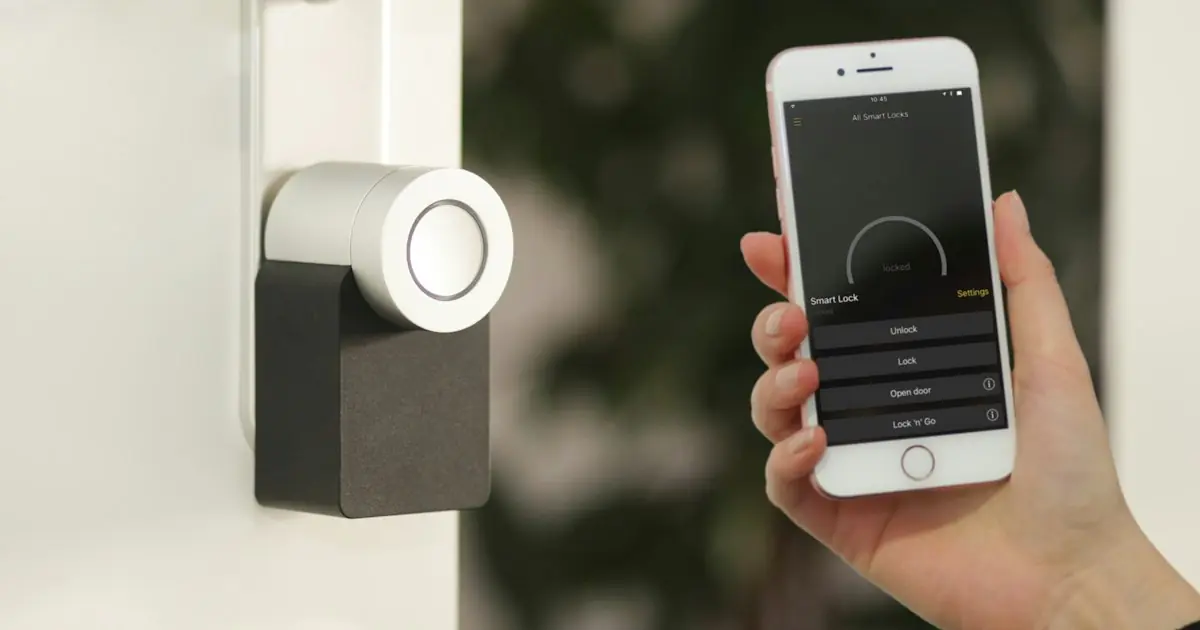
Secure your IoT devices with SSL/TLS certificates. MQTT, CoAP and device authentication guide.
📋 Contents
What is IoT and Why is it Important?
IoT SSL Certificate: Internet of Things Security is of increasing importance in today's digital world. As security threats on the Internet increase day by day, protecting websites and user data has become more critical than ever.
SSL/TLS certificates form the basis of web security. The padlock icon and HTTPS protocol, which indicate that the connection is encrypted, reassure visitors and ensure the protection of sensitive data in transit.
We can summarize the importance of this issue under a few headings: Protecting user information in transit with data encryption, HTTPS being a lightweight ranking signal for Google, increasing customer trust and helping to meet legal compliance requirements.
Technical Details and Working Principle
Understanding the technical details of IoT is very important for you to make the right decisions.
Encryption Mechanism: Modern SSL/TLS certificates use asymmetric encryption. Data encrypted with the public key can only be decrypted with the corresponding private key. This significantly reduces the risk of data being intercepted in transit. Handshake Process: A "handshake" process occurs when establishing an SSL/TLS connection. In this process, the browser and server determine the encryption method to be used and create a secure session key. Certificate Verification: The browser verifies the SSL certificate sent by the server against trusted certificate authorities (CAs). The connection is considered secure if the certificate chain is intact. Perfect Forward Secrecy: Modern cipher suites generate a unique key for each session. This way, capturing a key does not compromise previous sessions.Implementation Guide and Best Practices
Now let's put the IoT issue into practice. Here are the best practices:
- Choosing the Right Certificate: Choose the type of certificate that suits your needs. DV certificates are ideal for personal blogs, OV certificates for corporate sites, and EV certificates for e-commerce sites.
- Strong Key Size: Use a minimum 2048-bit RSA or 256-bit ECC key. Lower key sizes pose a security risk.
- Regular Renewal: Renew your certificate before it expires. It is a best practice to set up an automatic renewal system.
- Full Chain Installation: Install the full chain, including root and intermediate certificates.
- Protect All Pages: Protect your entire website with HTTPS, not just login or payment pages.
Following these practices strengthens your connection security; HTTPS is also a lightweight ranking signal for search engines.
DataSSL guides you step by step through all these processes. You can get support by phone, email and support ticket for certificate purchasing, installation and configuration.
Comparison and Selection Criteria
There are many different options on the market. It is important to know the comparison criteria to make the right decision.
| Merkmal | Basic | Medium | Advanced |
|---|---|---|---|
| Verschlüsselung | 256-bit ✅ | 256-bit ✅ | 256-bit ✅ |
| Verification | Domain | Organization | Extended |
| Trust Level | ⭐ | ⭐⭐ | ⭐⭐⭐ |
| Approval Duration | Minuten | 1-3 Days | 3-7 Days |
Consider your budget, your website type, and your target audience when choosing. EV certificate is the most suitable choice for e-commerce sites, and OV certificate is the most suitable choice for corporate sites.
Häufig gestellte Fragen
Q: Which certification type should I choose for IoT?A: It depends on your need. DV certificate is recommended for personal site, OV certificate for business site, EV certificate for e-commerce. Q: Is it difficult to install an SSL certificate?
A: No, DataSSL offers step-by-step installation guides and support by phone, email and support ticket. Installation time depends on the server environment. Q: Is free SSL enough?
A: For personal projects, free SSL may be enough. However, for business websites, paid certificates that offer warranty, support, and extended verification are recommended. Q: Will the website work without an SSL certificate?
A: Technically it works, but modern browsers will show a "Not Secure" warning, you will not benefit from the lightweight ranking signal HTTPS provides and user trust will decrease. Today HTTPS is considered the de facto standard. Q: What happens if I forget to renew the certificate?
A: An expired certificate will show a security warning to your visitors and cause loss of trust. Note the expiration date in your calendar and renew before it expires.
Conclusion
In this article, we have comprehensively discussed the subject IoT-SSL-Zertifikat: Sicherheit für das Internet der Dinge. SSL/TLS security is one of the cornerstones of modern web infrastructure and every website owner should give due importance to this issue.
As DataSSL, we continue to offer SSL certificates from different brands for a secure internet experience. For your questions, you can reach our support team by phone, email or support ticket.
🔒 Secure Your Website Now
Buy your SSL certificate from DataSSL. Installation guides, support by phone, email and ticket; refund if cancelled within 30 days.
Review SSL Certificates →


Bewertungen
Noch keine Kommentare. Schreiben Sie den ersten Kommentar!
Bewertung schreiben